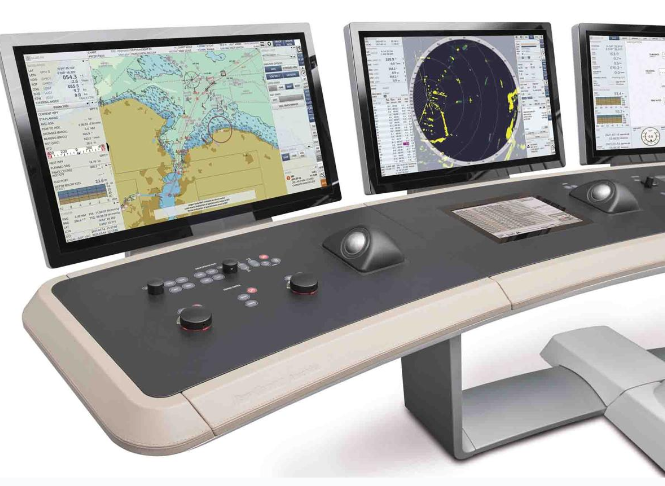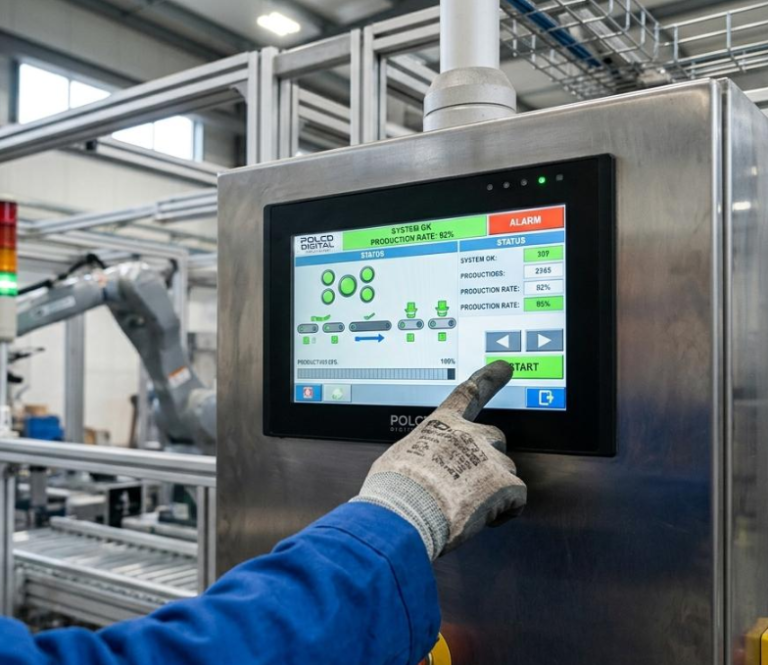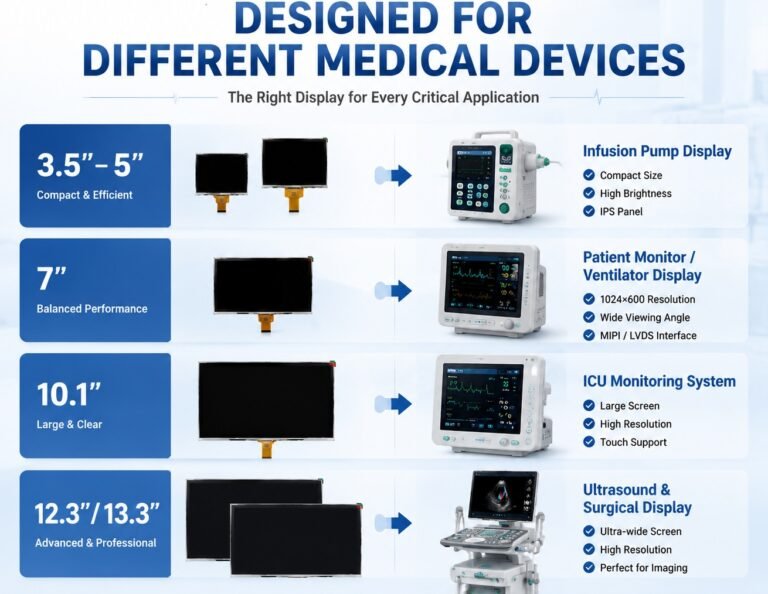
Wasserdichte kapazitive Touchpanels werden zunehmend in industriellen Systemen eingesetzt, in denen die Exposition gegenüber Wasser, Chemikalien, mechanischen Einwirkungen und extremen Temperaturen zum täglichen Betrieb gehören.
Von maritimer Navigationstechnik und medizinischen Geräten bis hin zu Outdoor-Ladestationen für Elektrofahrzeuge und Lebensmittelverarbeitungsmaschinen – ein zuverlässiger Touchscreen muss mehr leisten als nur auf Berührungseingaben zu reagieren. Er muss unter anspruchsvollen Umgebungsbedingungen eine stabile Leistung aufrechterhalten und gleichzeitig die mechanischen, elektrischen und betrieblichen Anforderungen des Endgeräts erfüllen.
Für industrielle OEMs und Systemintegratoren umfasst die Auswahl des richtigen wasserdichten kapazitiven Touchpanels die Bewertung des Schutzgrades, der Deckglasbeständigkeit, der Touch-Controller-Abstimmung, der optischen Leistung und der langfristigen Materialstabilität.
Mit mehr als 15 Jahren F&E-Erfahrung in den Bereichen TFT-LCD, OLED und Touch-Technologie ist Qihantech auf kundenspezifische industrielle Display- und projiziert-kapazitive (PCAP) Touchscreen-Lösungen für spezialisierte Gerätehersteller spezialisiert.
Dieser Artikel untersucht fünf anspruchsvolle Anwendungsumgebungen, ihre technischen Herausforderungen und praktische Touchscreen-Designüberlegungen für OEM/ODM-Projekte.
1. Marine- und Maritime-Ausrüstung: Touchscreens für Salzwasser, Blendung und ständige Feuchtigkeit
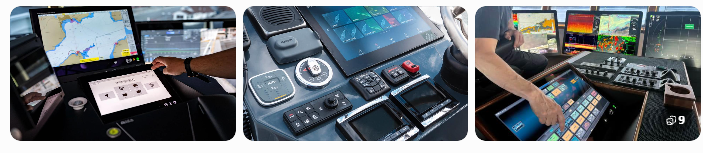
Marine Touchscreen-Displays arbeiten unter Bedingungen, die Feuchtigkeit, Salzeinwirkung, Vibrationen, Temperaturschwankungen und starke Sonneneinstrahlung kombinieren.
Im Gegensatz zu gewöhnlichen industriellen Innenraum-Panels kann ein Marine-Touchscreen wiederholtem Salzwasserspray, Kondensation und erheblichen Unterschieden zwischen Tages- und Nachtbeleuchtung ausgesetzt sein.
Zentrale technische Herausforderungen
Salzwasserkorrosion
Salzhaltige Feuchtigkeit kann die Korrosion von freiliegenden Metallkomponenten, Steckverbindern, leitfähigen Leiterbahnen und unzureichend geschützten elektronischen Baugruppen beschleunigen.
Direkte Spritzwasser- und Wassereinwirkung
Wellenspritzer, Regen und nasse Hände können sowohl die Gehäuseintegrität als auch die kapazitive Berührungserkennung beeinträchtigen.
Intensive Sonneneinstrahlung und Reflexionen
Marine-Navigationsdisplays müssen bei direkter Sonneneinstrahlung und Reflexionen von umgebenden Wasseroberflächen lesbar bleiben.
Nachtbetrieb
Übermäßige Hintergrundbeleuchtungshelligkeit kann die visuelle Anpassung während der Nachtnavigation beeinträchtigen, wodurch ein kontrollierter Betrieb mit niedriger Helligkeit unerlässlich ist.
Empfohlene technische Lösungen
- Korrosionsbeständige Konstruktion: Geeignetes Deckglas, Dichtungen, Steckverbinder, Beschichtungen und Gehäusematerialien für salzhaltige Umgebungen auswählen.
- Anwendungsspezifischer Schutzgrad: IP65-, IP66- oder IP67-Schutz je nach Spritz-, Wasch- oder Eintauchbelastung in Betracht ziehen.
- Hochhelligkeits-TFT-LCD: Displaykonfigurationen der 1.000-Nit-Klasse oder höher zusammen mit optischem Bonding und Reflexionskontrolle bewerten.
- AG/AR-Oberflächenbehandlungen: Störende Reflexionen reduzieren und den wahrgenommenen Displaykontrast verbessern.
- Weitbereichsdimmung: Tagesbetrieb und niedrige Nachthelligkeit unterstützen, mit sorgfältiger Bewertung der Dimmleistung.
- Nass-Touch-Optimierung: Controller-Empfindlichkeit und Wasserabweisung für nasse Finger und Wassertropfen abstimmen.
Technisches Anwendungsszenario: Marine-Navigationssteuerungsdisplay
Ein OEM-Hersteller entwickelt einen Multifunktions-Touchscreen für die Navigationskonsole eines Schiffes.
Das Display muss bei hellem Tageslicht lesbare Karten bereitstellen, nach Exposition gegenüber Meerwasserspray weiterhin nutzbar bleiben und den Betrieb mit niedriger Helligkeit bei Nacht unterstützen.
Illustrative Designanforderungen
| Parameter | Technische Überlegung |
|---|---|
| Displaytechnologie | Industrielles Hochhelligkeits-TFT-LCD |
| Touch-Technologie | Projiziert-kapazitiv (PCAP) |
| Schutz | IP66/IP67-Designziel, je nach Installation |
| Deckglas | Chemisch verstärktes oder gehärtetes Glas |
| Optische Struktur | Vollständiges optisches Bonding mit AR-Behandlung |
| Touch-Funktion | Betrieb mit nassen Fingern, Wasserabweisung |
| Zusätzliche Prüfungen | Salznebel, Vibration, Temperaturwechsel, Dimmung |
Technische Erkenntnis: Ein versiegeltes Display ist nicht automatisch salzwasserkorrosionsbeständig. Die Marine-Qualifizierung sollte die gesamte Baugruppe bewerten, einschließlich Gehäuse, Steckverbinder, freiliegende Metallteile und Dichtungsgrenzflächen.
Für Navigations- und Funkkommunikationsgeräte sollte die Anwendbarkeit von IEC 60945 und anderen marinespezifischen Anforderungen während des Systemdesigns festgestellt werden.
Qihantech OEM/ODM-Integrationsüberlegungen
Die Fähigkeiten von Qihantech im Bereich kundenspezifischer kapazitiver Touchpanels und industrieller TFT-LCDs können Projekte unterstützen, die spezialisiertes Deckglas, kundenspezifische Sensorabmessungen, optisches Bonding und Display-Helligkeitsauswahl erfordern.
Die endgültige Umweltleistung sollte anhand der Qualifizierungsanforderungen der montierten Marine-Ausrüstung verifiziert werden.
2. Medizinische und Gesundheitsgeräte: Wasserdichte Touchpanels für Hygiene und Bedienung mit Handschuhen
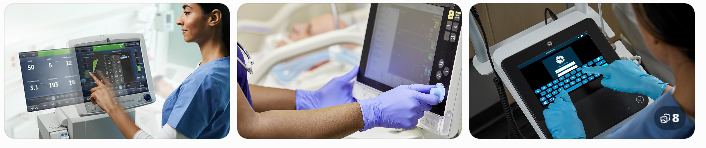
Hersteller medizinischer Geräte stehen vor einer anderen Reihe von Anforderungen an das Touchscreen-Design.
In klinischen Umgebungen können Touchscreens wiederholt mit Desinfektionsmitteln gereinigt, bei der Bedienung durch Benutzer mit medizinischen Handschuhen verwendet und Tropfen oder gelegentlichem Flüssigkeitsverschütten ausgesetzt werden.
Ein wasserdichtes Touchpanel in Medizinqualität muss daher hinsichtlich chemischer Kompatibilität, Reinigungsfreundlichkeit, Touchstabilität und Integration mit den Sicherheitsanforderungen medizinischer Geräte bewertet werden.
Zentrale technische Herausforderungen
Häufige chemische Desinfektion
Wiederholte Exposition gegenüber alkoholbasierten Reinigern, chlorhaltigen Desinfektionsmitteln oder anderen zugelassenen Reinigungsmitteln kann Beschichtungen, Klebstoffe, Bedruckung und Dichtungen beeinträchtigen.
Bedienung mit Handschuhen
Latex-, Nitril- und andere medizinische Handschuhe können die kapazitive Kopplung reduzieren, die für eine zuverlässige Touch-Erkennung erforderlich ist.
Flüssigkeitskontamination
Wasser, Desinfektionsmittelrückstände und andere Flüssigkeiten auf der Glasoberfläche können unerwünschte Touch-Signale erzeugen, wenn der Controller nicht ordnungsgemäß konfiguriert ist.
Hygienisches mechanisches Design
Komplexe Blenden und freiliegende Fugen können Oberflächen schaffen, die schwer zu reinigen sind.
Empfohlene technische Lösungen
- Chemisch kompatibles Deckglas: Bewertung von Oberflächenbeschichtungen und Glasdekorationen im Hinblick auf die vorgesehenen Reinigungsmittel.
- Bündiges Frontdesign: Reduzierung freiliegender Kanten, Spalten und unnötiger mechanischer Spalte.
- Handschuhkompatible PCAP-Abstimmung: Optimierung von Sensor und Controller für die ausgewählten medizinischen Handschuhe.
- Flüssigkeitsabweisende Algorithmen: Reduzierung unbeabsichtigter Touch-Auslösung durch Tropfen und Reinigungsflüssigkeiten.
- Optisches Bonding: Verbesserung der optischen Klarheit und Beseitigung des internen Luftspalts zwischen verbundenen Display-Schichten.
- Versiegelte Frontpanel-Integration: Definition des Eindringschutzes basierend auf tatsächlichen Reinigungs- und Expositionsbedingungen.
Technisches Anwendungsszenario: Touch-Schnittstelle für medizinische Diagnosegeräte
Ein OEM für medizinische Geräte benötigt eine Touchscreen-Schnittstelle für ein Diagnoseinstrument.
Das Display wird von medizinischem Fachpersonal mit Nitrilhandschuhen bedient und muss wiederholte Reinigung mit zugelassenen Desinfektionsmitteln tolerieren.
Illustrative Designanforderungen
| Parameter | Technische Überlegung |
|---|---|
| Displaytechnologie | Industrielles TFT-LCD oder geeignetes OLED |
| Touch-Eingabe | PCAP mit Handschuhbedienung |
| Oberflächendesign | Bündiges Deckglas, minimierte Fugen |
| Wasserschutz | Frontpanel IP65 oder anwendungsspezifisch definiertes Ziel |
| Chemische Beständigkeit | Verifizierung gegen spezifizierte Desinfektionsmittel |
| Controller | Flüssigkeitsabweisung und Rauschfilterung |
| Validierung | Reinigungszyklen, Handschuhempfindlichkeit, EMV |
Ein wesentlicher Teil des Validierungsprozesses ist die Prüfung des Touchscreens nach wiederholten Reinigungszyklen, anstatt sich nur auf die anfänglichen chemischen Beständigkeitsdaten eines Materiallieferanten zu verlassen.
Überlegungen zur medizinischen Konformität
IEC 60601-1 und anwendbare ergänzende oder spezielle Normen können für das medizinische elektrische Gerät als Ganzes relevant sein. Der Touchscreen muss im Rahmen der Sicherheits- und wesentlichen Leistungsanforderungen des vollständigen Geräts bewertet werden.
Eine als medizinisch geeignet bezeichnete Komponente sollte nicht so interpretiert werden, dass sie automatisch für eine bestimmte Anwendung eines medizinischen Geräts zertifiziert ist.
Qihantech OEM/ODM-Integrationsüberlegungen
Für Projekte im Bereich medizinischer Geräte kann Qihantech Unterstützung bei kundenspezifischem Deckglas, PCAP-Sensorauswahl, Display-Integration und Controller-Konfiguration gemäß den Spezifikationen des Kunden bieten.
Chemische Beständigkeit, Reinigungsverfahren und regulatorische Anforderungen müssen für die endgültige Produktkonfiguration bestätigt werden.
3. Intelligente Energie im Außenbereich und EV-Laden: Wasserdichte Touchscreens für öffentliche Infrastruktur
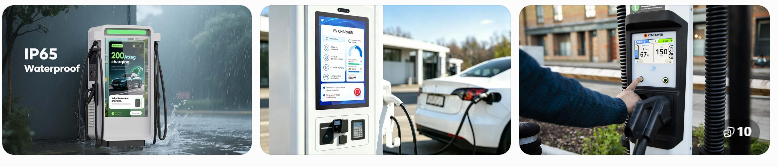
Die EV-Ladeinfrastruktur stellt eine anspruchsvolle Kombination aus Außenexposition, öffentlicher Interaktion, elektrischem Rauschen und Anforderungen an die mechanische Haltbarkeit dar.
Ein kapazitiver Touchscreen für EV-Ladegeräte muss möglicherweise bei Regen reaktionsfähig bleiben, bei direktem Sonnenlicht lesbar sein und gegen versehentliche oder vorsätzliche mechanische Einwirkungen beständig sein.
Für Hersteller von Ladestationen ist Zuverlässigkeit besonders wichtig, da ein Touchscreen-Ausfall die Benutzerinteraktion unterbrechen und die Wartungskosten vor Ort erhöhen kann.
Zentrale technische Herausforderungen
Bedienung bei Regen und mit nassen Fingern
Benutzer können während des Regens mit EV-Ladeterminals interagieren und dabei möglicherweise Wassertropfen auf der Touchscreen-Oberfläche hinterlassen.
Vandalismus und mechanische Einwirkungen
Öffentliche Ladestationen sind anfällig für wiederholten physischen Kontakt und gelegentliche vorsätzliche Beschädigung.
Continuous temperature exposure
Outdoor charger enclosures can experience substantial solar heating, winter temperatures, and internal heat generated by power electronics.
Electromagnetic interference
Power conversion systems, switching components, and associated cables can create electrical noise that must be considered during touch controller design.
Empfohlene technische Lösungen
1. IP-Rated Front-Panel Design
Select an enclosure sealing strategy appropriate for outdoor rain, dust, and cleaning exposure.
IP65 or higher protection may be considered according to system-level requirements.
2. IK08 or IK10 Impact Protection
Industrial cover glass and enclosure construction may be engineered toward IK08 or IK10 protection targets.
| IK Rating | Impact Energy | Engineering Application |
|---|---|---|
| IK08 | 5 joules | Outdoor equipment with moderate impact exposure |
| IK10 | 20 joules | Public-access equipment requiring greater impact resistance |
IK levels are defined under IEC 62262. The rating applies to the tested enclosure or defined portion, not automatically to standalone cover glass.
3. Sunlight-Readable Display Integration
High-brightness TFT LCDs, AR coatings, and full optical bonding can improve contrast and readability in bright outdoor conditions.
4. Wide-Temperature Engineering
Depending on geographic deployment, an operating temperature target such as −30°C to +85°C may be considered, subject to complete module qualification.
5. EMC-Aware Touch Controller Design
Appropriate grounding, shielding, routing, filtering, and controller tuning can help reduce unwanted touch signals caused by electrical interference.
Engineering Application Scenario: Outdoor DC Fast Charger Interface
An EV charging equipment manufacturer is designing a public charging station with a touchscreen user interface.
The product is intended for outdoor installation, where drivers may operate it under strong sunlight or during rainfall.
Illustrative Designanforderungen
| Parameter | Technische Überlegung |
|---|---|
| Display | High-brightness industrial TFT LCD |
| Touch | Rain-tolerant PCAP |
| Ingress protection | IP65 or application-defined higher target |
| Impact resistance | IK08 or IK10 design target |
| Deckglas | Reinforced glass with optical treatments |
| Operating temperature | Site-specific extended range |
| Electrical design | EMC-aware grounding and controller tuning |
| Verification | Rain-touch, thermal, impact and EMC testing |
Engineering insight: Increasing glass thickness can improve mechanical protection, but it may also reduce capacitive touch sensitivity. A suitable electrode pattern and controller configuration must be validated with the final cover glass thickness.
Qihantech OEM/ODM-Integrationsüberlegungen
Qihantech can support custom touchscreen dimensions, cover glass designs, high-brightness display integration, and touch interfaces for outdoor EV charging equipment.
For public infrastructure projects, impact and ingress ratings should be supported by tests conducted on representative finished assemblies.
4. Food Processing and Industrial Automation: Touchscreens for High-Pressure Washdown Environments

Food processing facilities and industrial production lines often require equipment to withstand frequent cleaning, including exposure to water, detergents, grease, oils, and temperature variations.
For touchscreen-operated machinery, these environments create two interconnected challenges: protecting the electronics against liquid ingress and maintaining reliable touch operation when the glass surface becomes contaminated.
A standard indoor touchscreen may not be appropriate for equipment installed near high-pressure cleaning systems.
Zentrale technische Herausforderungen
High-pressure, high-temperature cleaning
Some processing facilities use high-pressure water jets and elevated water temperatures to clean equipment surfaces.
Such cleaning methods can place significant stress on gaskets, bonding interfaces, and enclosure joints.
Oil and grease contamination
Grease, oils, and food residues can accumulate on the touchscreen surface, affecting visibility, cleanliness, and touch detection.
Repeated detergent exposure
Cleaning chemicals may degrade coatings, printed decorations, elastomeric seals, and adhesive interfaces over time.
Operation with protective gloves
Production workers frequently operate machinery while wearing gloves, creating additional capacitive sensing requirements.
Empfohlene technische Lösungen
1. High-Pressure Washdown Protection
For equipment directly exposed to high-pressure, high-temperature water jets, an IP69 or IP69K-class protection target may be considered.
The test designation must be specified correctly. IPX9 is addressed within IEC 60529, while IPX9K is defined in ISO 20653 for road-vehicle electrical equipment. The applicability of either standard to food processing equipment depends on the project specification.
A touchscreen module should never be described as IP69K-rated solely because it uses waterproof glass or optical bonding.
2. Hygienic Flush-Front Construction
A smooth front surface with appropriately designed seals and minimal exposed joints can help simplify cleaning.
3. Chemical-Resistant Surface Design
Cover glass coatings, ink layers, sealing materials, and adhesives should be evaluated against the actual detergents and cleaning procedures used in the facility.
4. Water and Oil Contamination Management
Touch controller tuning should be developed and verified for wet and contaminated glass surfaces.
5. Industrial TFT LCD Integration
Industrial TFT LCD modules can be selected according to the required operating temperature, brightness, interface, and expected duty cycle.
Engineering Application Scenario: Food Processing Machine HMI
A food processing equipment manufacturer requires a touchscreen control interface for a stainless steel production machine.
The equipment is exposed to regular cleaning, grease contamination, and operators wearing protective gloves.
Illustrative Designanforderungen
| Parameter | Technische Überlegung |
|---|---|
| Touch-Technologie | Industrial PCAP with glove tuning |
| Display | Industrial TFT LCD |
| Schutz | IP69/IP69K-class target where applicable |
| Front surface | Smooth, flush-mounted cover glass |
| Surface compatibility | Detergents, oils, and grease |
| Controller | Liquid rejection and false-touch mitigation |
| Assembly | Sealed integration with stainless steel enclosure |
| Validierung | Washdown, chemical exposure, and touch functionality |
Engineering insight: High-pressure cleaning performance depends on enclosure geometry, gasket compression, cable entry points, and assembly tolerances. Even a well-designed touchscreen can fail if the surrounding mechanical structure is inadequately sealed.
Qihantech OEM/ODM-Integrationsüberlegungen
Qihantech can assist industrial equipment manufacturers with custom cover glass layouts, PCAP sensor designs, display selection, and interface integration for washdown-oriented machinery.
High-pressure ingress protection must be demonstrated through appropriate testing of the finished assembly.
5. Portable Field Testing Instruments: Rugged Touchscreens for Battery-Powered Equipment

Portable industrial instruments are frequently used outdoors, in electrical installations, maintenance facilities, and remote inspection environments.
Unlike stationary industrial control panels, portable instruments must balance touchscreen reliability with weight, power consumption, compact dimensions, and resistance to accidental drops.
Typical applications include electrical measurement devices, portable diagnostic instruments, environmental data loggers, and industrial inspection equipment.
Zentrale technische Herausforderungen
Battery efficiency
The display and touch controller contribute to the overall electrical power consumption of the instrument.
High display brightness, continuous touch scanning, and inefficient power management can reduce operating time.
Accidental drops and vibration
Portable instruments may be dropped during transport or field operation.
Outdoor readability
Technicians may need to read measurement results under direct sunlight.
Thick protective gloves
Field engineers may wear insulated or other protective gloves that significantly reduce capacitive coupling.
Rain, dust, and contamination
Outdoor instruments may be operated with wet hands or exposed to rain, dust, and dirt.
Empfohlene technische Lösungen
1. Low-Power Display Architecture
Choose a TFT LCD or OLED module based on the required display content, brightness, duty cycle, temperature range, and power budget.
For TFT LCDs, backlight power often represents a significant portion of display energy consumption.
OLED modules may offer advantages for certain low-average-picture-level interfaces, but power consumption depends strongly on image content and brightness.
2. Touch Controller Power Management
Consider controller sleep modes, interrupt-driven operation, and reduced scanning activity where compatible with response-time requirements.
3. Mechanical Reinforcement
Protect the touchscreen through suitable cover glass, housing support, edge design, shock-absorbing structures, and mechanical integration.
4. Sunlight Readability
Evaluate a high-efficiency TFT LCD, optical bonding, and AG/AR treatments to balance visibility and battery consumption.
5. Glove-Optimized Capacitive Touch
Validate the selected PCAP sensor and controller using the actual gloves required by the instrument’s intended users.
Thick or electrically insulating gloves may limit capacitive sensing performance. Alternative input methods may be necessary for some applications.
Engineering Application Scenario: Portable Electrical Testing Instrument
An OEM instrument manufacturer is developing a battery-operated electrical testing device for outdoor field technicians.
The touchscreen must support measurement navigation, maintain readability outdoors, and tolerate accidental drops and wet operating conditions.
Illustrative Designanforderungen
| Parameter | Technische Überlegung |
|---|---|
| Display | Low-power industrial TFT LCD |
| Touch | Compact PCAP sensor |
| Schutz | IP65/IP67 target based on enclosure design |
| Deckglas | Mechanically reinforced glass |
| Surface | AG/AR treatment as appropriate |
| Power | Backlight control and touch sleep modes |
| Bedienung mit Handschuhen | Tested with specified field gloves |
| Validierung | Drop, vibration, temperature, and runtime tests |
Engineering insight: A higher-brightness display does not automatically deliver a better portable instrument. Engineers must balance readability, thermal performance, battery capacity, and total system power consumption.
Qihantech OEM/ODM-Integrationsüberlegungen
Qihantech’s custom TFT LCD, OLED, and capacitive touch capabilities can support portable instruments requiring compact display dimensions, customized FPC layouts, controlled power consumption, and rugged mechanical integration.
Display efficiency and drop resistance should be assessed using actual product-level measurements and tests.
6. Comparing Touchscreen Requirements Across Five Extreme Environments
Different industries require different combinations of environmental protection, optical performance, mechanical durability, and user interaction.
The table below summarizes the primary engineering priorities for each application.
| Industry | Main Environmental Risks | Priority Touchscreen Requirements |
|---|---|---|
| Marine & Maritime | Saltwater, glare, vibration, moisture | Corrosion protection, wet touch, sunlight readability, night dimming |
| Medical & Healthcare | Disinfectants, liquids, frequent cleaning | Chemical compatibility, glove touch, hygienic surface |
| EV Charging & Smart Energy | Rain, impacts, temperature extremes | IP protection, IK08/IK10 targets, high brightness, EMC robustness |
| Food Processing | Washdown, detergents, grease | High-pressure ingress protection, chemical resistance, flush mounting |
| Portable Instruments | Drops, rain, battery limitations | Low power, shock resistance, sunlight readability, glove touch |
The required design should be determined by a documented environmental and functional risk assessment rather than by selecting the highest available specification in every category.
7. How Qihantech’s Material Selection Supports Industrial Touchscreen Reliability
In addition to enclosure protection, the materials used inside the capacitive touch sensor affect long-term electrical stability.
For demanding applications, engineers should evaluate ITO conductive glass, silver paste interconnections, and insulating materials.
High-Uniformity ITO Conductive Glass
ITO forms transparent conductive structures within the capacitive touch sensor.
Relevant material properties include sheet resistance uniformity, surface roughness, adhesion, and environmental stability.
Premium ITO material specifications may help reduce variation between sensor production batches.
Stable Conductive Silver Paste
Silver paste is used for electrical interconnections within the sensor assembly.
Appropriate material selection and process control help maintain contact stability under thermal and humidity exposure.
High-Resistance Insulation Materials
Insulation layers help maintain electrical isolation between conductive structures.
High volume resistivity and consistent coating coverage are relevant for touchscreens operating in humid or electrically demanding environments.
Why These Materials Matter
For industrial touchscreen programs, stable sensor materials support more predictable electrical behavior and help reduce material-related reliability risks.
However, high-quality materials alone cannot guarantee waterproof performance or long service life. Environmental sealing, process controls, firmware integration, and system-level validation remain essential.
8. Custom Industrial Touchscreen Solutions for OEM/ODM Manufacturers
Industrial equipment rarely shares identical mechanical and electrical requirements.
A marine navigation panel, EV charging touchscreen, and portable testing instrument may use the same fundamental PCAP technology while requiring entirely different cover glass, display, and controller configurations.
Qihantech provides customizable industrial display and touchscreen solutions for equipment manufacturers and system integrators.
Customization Capabilities

Custom PCAP Sensor and Cover Glass
Customized touch dimensions, sensor patterns, cover lens shapes, glass thickness, and decorative printing for specialized equipment.

TFT LCD and OLED Display Integration
Industrial display selection based on brightness, contrast, interface, power requirements, and environmental conditions.

Interface and Controller Configuration
USB, I²C, and selected alternative interfaces based on controller availability, host compatibility, and project requirements.

Optical and Surface Treatments
Application-specific optical bonding, AG, AR, and AF treatment selection to meet readability and surface performance requirements.
For high-reliability projects, early collaboration between the touchscreen supplier, mechanical engineering team, and system integrator can reduce integration problems before tooling and mass production.
9. OEM Buying Guide: What to Verify Before Selecting a Waterproof Touchscreen Supplier
Project engineers and procurement teams should define measurable requirements before requesting quotations or samples.
| Technical Requirement | Information to Request |
|---|---|
| Waterproof protection | Target IP rating and applicable test method |
| Impact resistance | IK target or defined drop test requirements |
| Deckglas | Thickness, strengthening process, surface treatment |
| Optical performance | Brightness, contrast, bonding method, reflectance |
| Touch functionality | Wet-touch, glove-touch, multi-touch performance |
| Environmental range | Operating/storage temperature, humidity |
| Chemical compatibility | Approved cleaning agents and exposure conditions |
| Electrical integration | Interface, controller, host OS, EMC requirements |
| Power consumption | Typical and maximum display/controller power |
| Quality documentation | Qualification reports, inspection criteria, traceability |
| OEM customization | Tooling, minimum order quantities, development schedule |
Recommended Validation Process
- Define the application environment. Document water exposure, chemicals, operating temperatures, impact risks, and user interaction conditions.
- Select the preliminary touchscreen architecture. Determine the display type, cover glass, PCAP controller, interface, bonding process, and sealing strategy.
- Evaluate engineering samples. Test optical performance, glove operation, water rejection, electrical compatibility, and basic functionality.
- Qualify the final assembly. Perform relevant ingress protection, impact, environmental, chemical, and EMC tests.
- Approve production controls. Confirm acceptance criteria, critical material specifications, supplier change management, and inspection processes before mass production.
10. Frequently Asked Questions About Waterproof Industrial Capacitive Touch Panels
1. Can capacitive touchscreens operate reliably in saltwater environments?
Yes, a properly engineered touchscreen assembly can be designed for marine use. However, saltwater exposure requires consideration of corrosion-resistant materials, enclosure sealing, electrical protection, and appropriate environmental qualification.
2. What is the best touchscreen technology for medical equipment?
Projected capacitive touchscreens are commonly considered for medical equipment because they offer smooth glass surfaces, multi-touch capabilities, and configurable glove operation. Suitability depends on cleaning requirements, touch performance, and system-level regulatory requirements.
3. What IP rating is recommended for outdoor EV charging station touchscreens?
IP65 is a common design consideration for protection against dust and water jets. More demanding installations may require additional protection. The correct rating must reflect actual exposure conditions and apply to the tested enclosure.
4. What is the difference between IP67 and IP69K touchscreens?
IP67 addresses temporary immersion under specified conditions, while IP69K addresses high-pressure, high-temperature water-jet exposure under a different test regime. Neither rating should be assumed to include every test covered by the other.
5. Can a waterproof capacitive touchscreen work with thick gloves?
Some PCAP solutions can be configured for glove operation, but performance depends on glove material and thickness, cover glass construction, sensor design, and controller configuration. Thick insulated gloves may require alternative input methods.
6. Are OLED displays suitable for outdoor industrial equipment?
OLED displays can be considered for selected industrial applications, but high ambient brightness, sustained static images, temperature exposure, and service-life requirements should be evaluated carefully. High-brightness TFT LCDs may be preferable in some continuous-use outdoor applications.
7. Does optical bonding make a touchscreen waterproof?
No. Optical bonding reduces internal optical interfaces and can improve display readability, but waterproof performance depends primarily on the enclosure, sealing design, cable interfaces, and validated assembly construction.
8. Can Qihantech provide custom capacitive touchscreens for extreme environments?
Qihantech provides OEM/ODM industrial touchscreen and display customization. Project-specific requirements such as wet touch, rugged cover glass, optical bonding, and environmental qualification should be evaluated during the engineering design process.
Conclusion: Engineering Reliable Touch Interfaces for Extreme Environments
Waterproof capacitive touch panels play an important role in modern industrial and specialized electronic equipment.
Marine navigation systems require corrosion-resistant designs and controlled display brightness. Medical equipment prioritizes hygiene, chemical compatibility, and glove operation. EV charging stations need outdoor durability and impact protection. Food processing machinery demands resistance to washdown conditions, while portable field instruments must balance ruggedness, readability, and power efficiency.
Although these applications share projected capacitive touch technology, their engineering requirements differ substantially.
For OEM manufacturers, selecting a touchscreen should therefore begin with environmental conditions, user interaction needs, integration constraints, and testable performance targets.
With over 15 years of R&D experience, Qihantech supports industrial display and capacitive touchscreen customization for equipment manufacturers developing products for demanding operating environments.
Looking for a custom waterproof capacitive touch panel or industrial TFT LCD display?
Contact Qihantech to discuss your application, display specifications, cover glass requirements, touch interface, and OEM/ODM development needs.