
News
-
Capacitive Touchscreen Core Material Comparison: How Premium ITO Glass, Silver Paste, and Insulation Improve Reliability
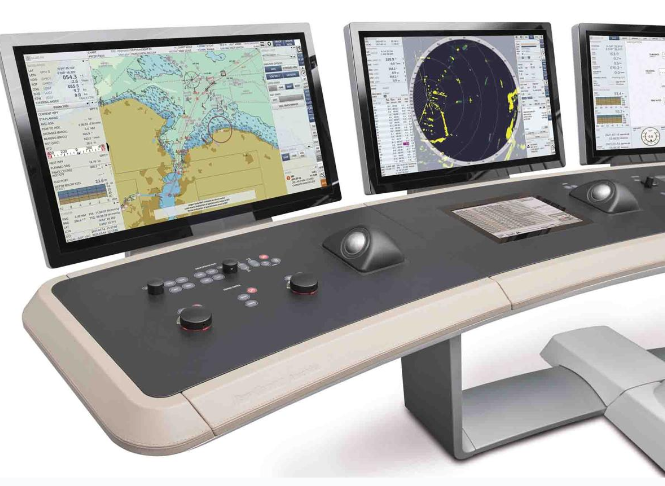
The long-term reliability of an industrial capacitive touchscreen depends on more than cover glass thickness, touch controller performance, or display brightness. The quality of the materials inside the touch sensor also plays a critical role in electrical stability, environmental durability, and manufacturing consistency. For equipment manufacturers, selecting a projected capacitive (PCAP) touchscreen based solely on size, resolution,…
-
5 Extreme Environment Applications of Waterproof Capacitive Touch Panels: Engineering Challenges and Solutions
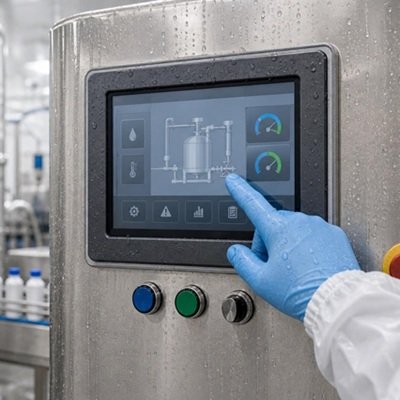
Waterproof capacitive touch panels are increasingly used in industrial systems where exposure to water, chemicals, mechanical impacts, and extreme temperatures is part of everyday operation. From marine navigation equipment and medical devices to outdoor EV charging stations and food processing machinery, a reliable touchscreen must do more than respond to touch input. It must maintain stable performance…
-
How to Choose Waterproof Capacitive Touchscreens for Industrial Use
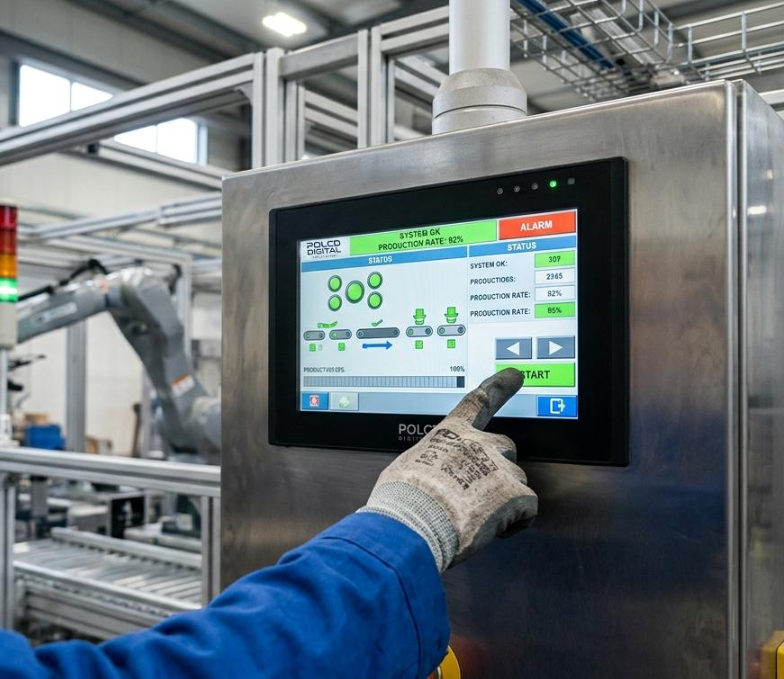
Industrial touchscreens are expected to operate reliably in environments where ordinary consumer displays may struggle. Rain, humidity, dust, temperature fluctuations, vibration, and repeated physical contact can all affect touchscreen performance and service life. For equipment manufacturers and OEM/ODM buyers, choosing the right waterproof capacitive touchscreen requires more than selecting a display size or checking whether a product…
-
Touch Displays for Portable Medical Devices: What Small PCAP Modules Must Prove
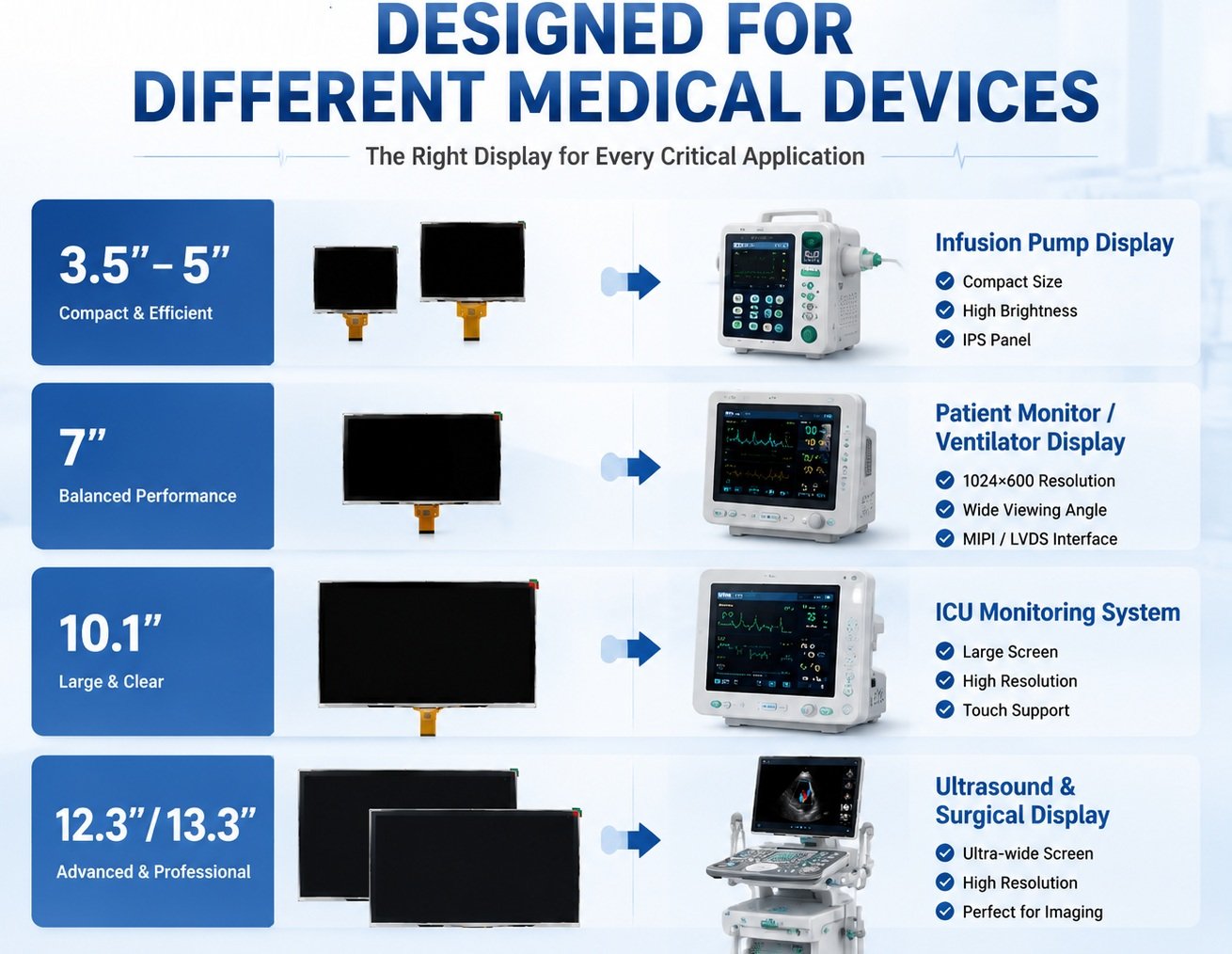
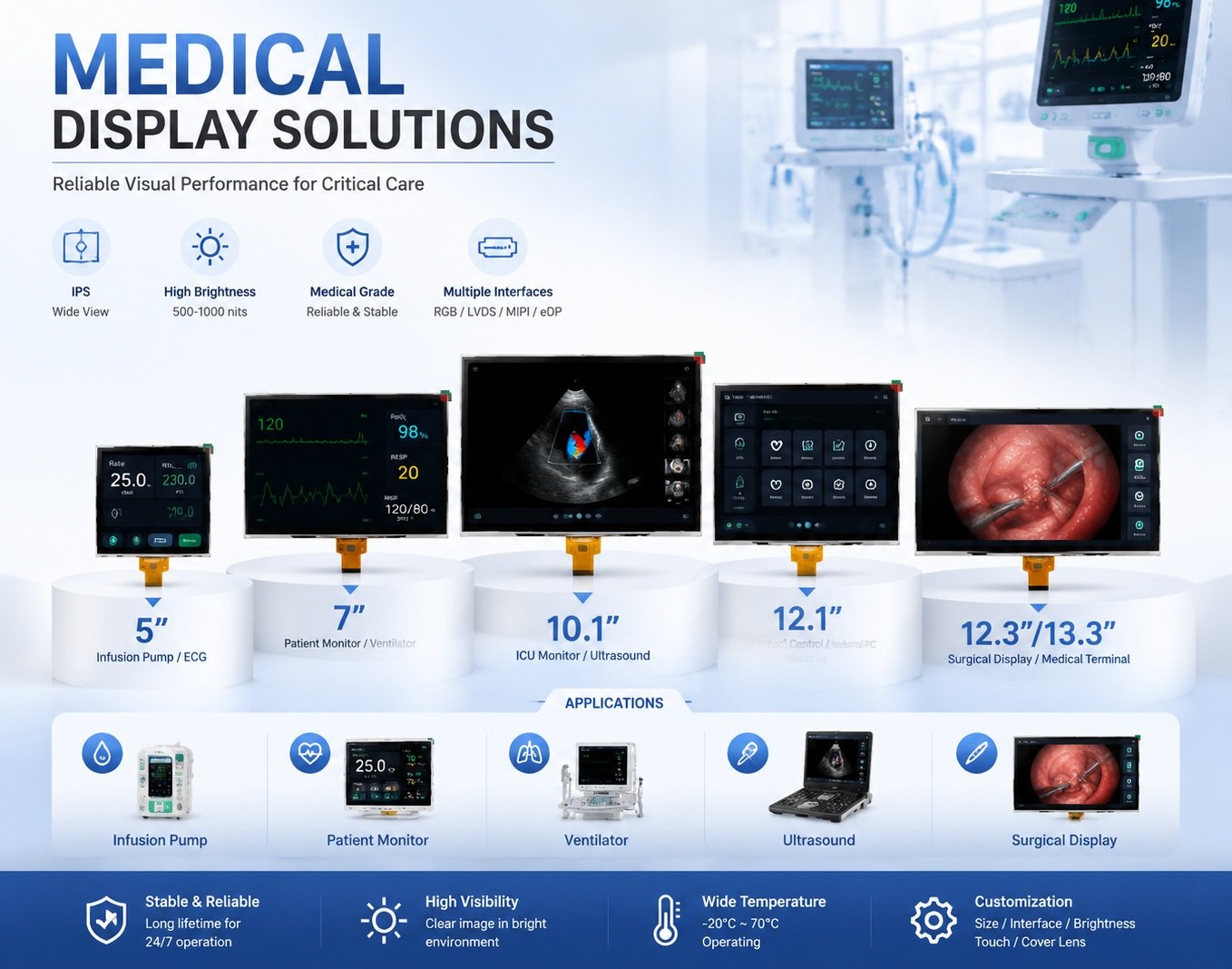
A medical touch screen display needs to support the device’s intended users and operating conditions throughout its service life. A bright image and responsive demonstration are useful, but they do not establish compatibility with repeated cleaning, clinical gloves, electrical interference, or years of controlled production. For a portable device, those requirements compete with battery capacity, weight, enclosure…
-
Small Touch Screen Displays for Smart Home and Appliance HMI
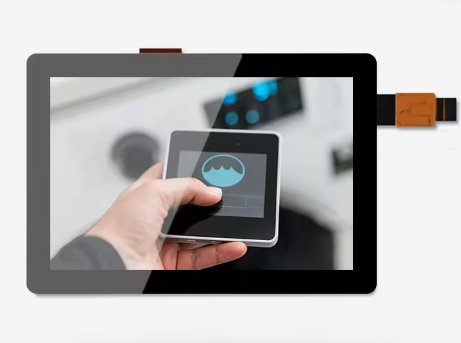
Choosing a small touch screen display for smart home equipment starts with a simple question: what should the user accomplish without thinking about the interface? A thermostat should make temperature adjustment obvious. A coffee machine should communicate preparation status clearly. A wall panel should make everyday controls easy to find. Touch displays can combine settings, guidance, and…
-
Smart Display Modules: A Practical Guide to Small Industrial HMI Development
A small display can create a surprisingly large engineering workload. Your team needs pixels on the screen, reliable touch input, readable graphics, stable communications, and predictable behavior after a restart. Getting a demonstration running is only the first milestone. A smart display module can consolidate some of that work by combining display hardware with processing and software.…
-
PCAP vs Resistive Touch Screens: A Five-Year TCO Guide
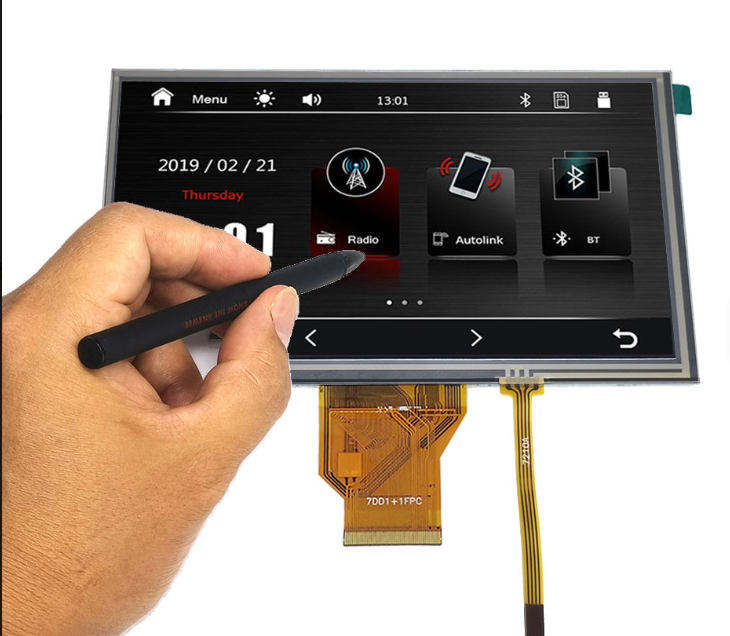
When comparing PCAP vs resistive touch screen options, the lowest purchase price is only one part of the decision. A display that needs expensive service visits can cost more over its working life. Equally, a more expensive touch technology may provide little financial benefit in a lightly used machine. The right comparison includes purchase price, integration, replacement…
-
Industrial TFT LCD Selection Guide: Brightness, Bonding, Touch and Durability
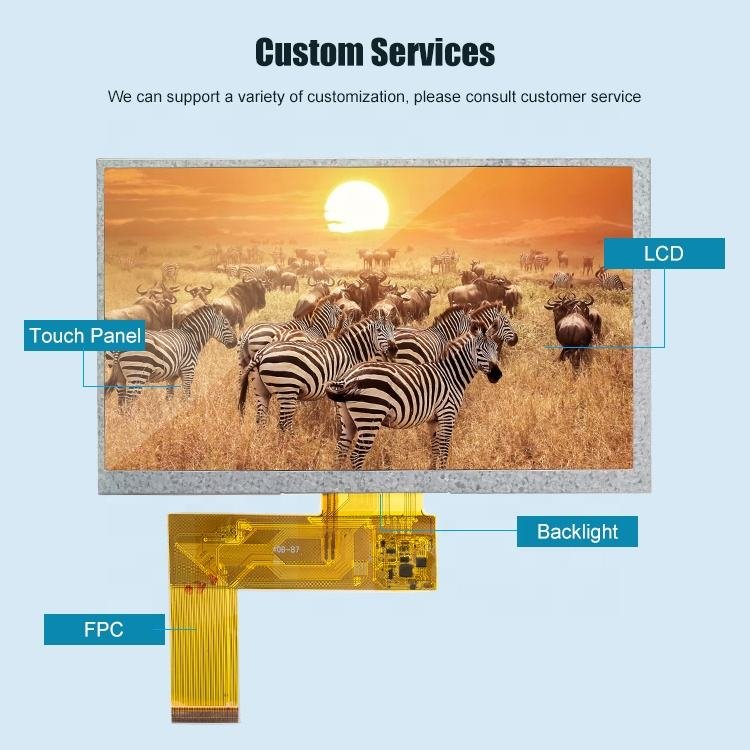
An industrial TFT LCD display should be selected from the operating task outward. Start with what the user must see and touch, then account for ambient light, temperature, moisture, vibration, electrical noise and service life. This order matters because the specifications interact. More backlight output improves visibility but adds heat. Thicker cover glass can improve mechanical protection…
-
TFT LCD vs OLED: Which Display Technology Is Better for Your Product?
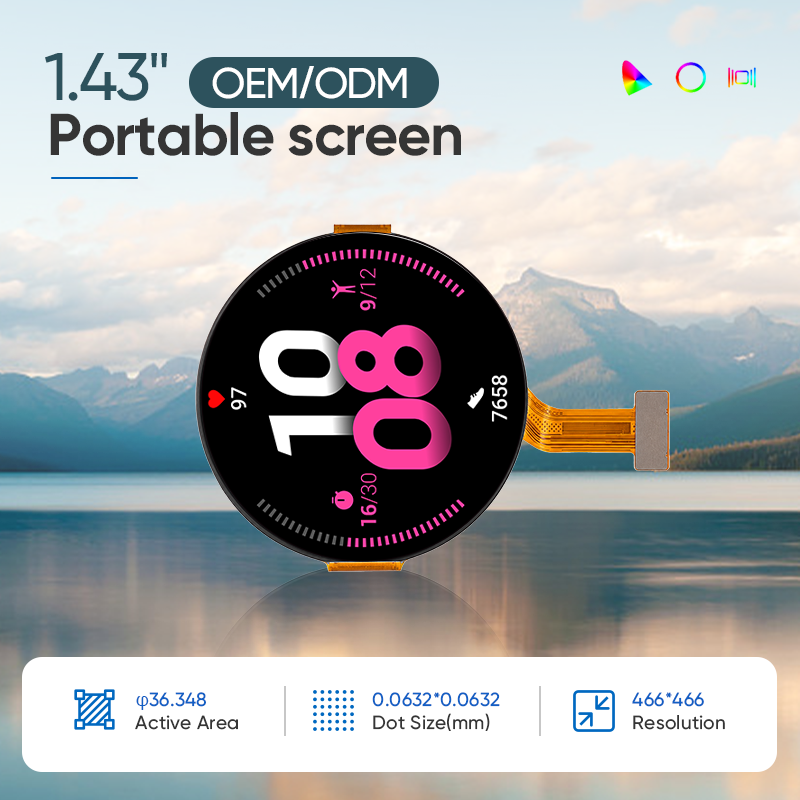
TFT LCD and OLED can both produce excellent product interfaces. The useful question is not which technology looks better in a dark showroom. It is which one will meet the product’s visual, electrical and supply requirements after thousands of hours in its real environment. The answer often depends on the screen content. A dark interface that wakes…
-
TFT LCD Displays for Automotive Applications: Key Design and Performance Requirements
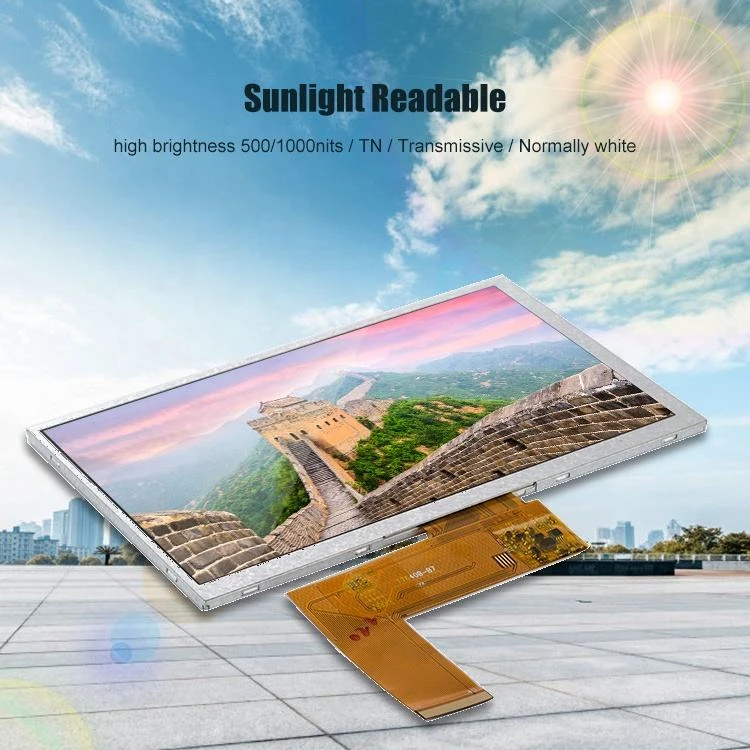
There is no single specification for an automotive TFT LCD display. A screen in the center console, an instrument cluster behind the steering wheel and a compact display mounted near a camera or control unit do not experience the same light, temperature, viewing angle or safety consequences. The installation location should therefore come before the panel specification.…