In LCD display manufacturing, the polarizer is one of the most critical optical components that directly affects display contrast, viewing angle, brightness, sunlight readability, and visual appearance.
Whether you are developing an industrial LCD display, TFT LCD module, monochrome LCD, HMI display, or custom touch display, understanding LCD polarizers helps improve product performance and user experience.
This guide explains:
- What an LCD polarizer is
- How LCD polarizers work
- Different types of LCD polarizers
- Reflective vs transmissive vs transflective polarizers
- Positive and negative display effects
- How to choose the right polarizer for custom LCD projects
What Is an LCD Polarizer?
An LCD polarizer is an optical film attached to the surface of the LCD glass.
Its main function is to control the direction of light passing through the liquid crystal layer.
Without polarizers, liquid crystal displays cannot form visible images.
LCD displays normally use two polarizers:
- Front polarizer
- Rear polarizer
These polarizers work together with the liquid crystal layer to create visible characters, icons, graphics, and images.
How Does an LCD Polarizer Work?
Natural light vibrates in multiple directions.
A polarizer only allows light waves vibrating in a specific direction to pass through.
Inside an LCD display:
- The backlight or ambient light passes through the rear polarizer
- The liquid crystal layer rotates the polarized light
- The front polarizer either blocks or allows the light to pass
- Visible images are formed
The angle relationship between the two polarizers determines:
- Positive display effect
- Negative display effect
- Contrast ratio
- Viewing quality
Main Types of LCD Polarizers
LCD polarizers are commonly divided into three major categories:
- Reflective polarizer
- Transmissive polarizer
- Transflective polarizer
Each type is suitable for different environments and applications.
Reflective LCD Polarizer
What Is a Reflective Polarizer?
A reflective LCD polarizer uses ambient light as the display light source.
It does not require a backlight under normal conditions.
Advantages
- Extremely low power consumption
- Excellent sunlight readability
- Ideal for battery-powered devices
Disadvantages
- Poor visibility in dark environments
- Cannot work well without external light
Typical Applications
- Calculators
- Outdoor instruments
- Smart meters
- Portable industrial devices
Transmissive LCD Polarizer
What Is a Transmissive Polarizer?
A transmissive LCD relies mainly on LED backlighting.
Light passes through the LCD from the backlight source.
Advantages
- Bright display performance
- Excellent indoor visibility
- Suitable for colorful UI effects
Disadvantages
- Higher power consumption
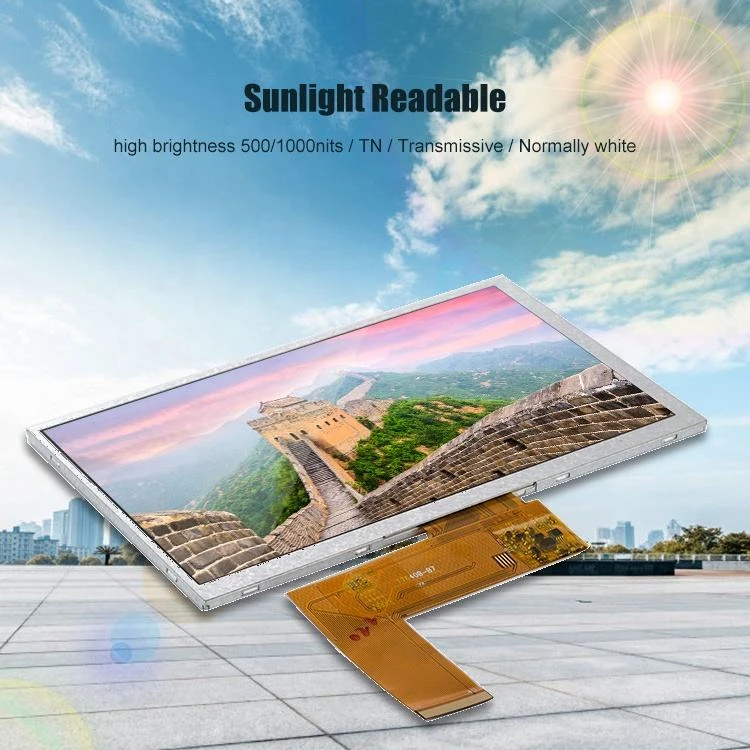
- Poor sunlight readability without high brightness backlight
Typical Applications
- Automotive displays
- Consumer electronics
- Smart home panels
- HMI displays
Transflective LCD Polarizer
What Is a Transflective Polarizer?
A transflective LCD combines reflective and transmissive technologies.
It uses ambient light outdoors and LED backlight indoors.
Advantages
- Good sunlight readability
- Good indoor visibility
- Lower power consumption than full transmissive LCD
Disadvantages
- Higher manufacturing complexity
- Slightly lower brightness compared with transmissive LCD
Typical Applications
- Industrial handheld terminals
- Medical equipment
- Outdoor HMI systems
- Portable devices
Positive vs Negative LCD Polarizer
The polarizer angle also affects whether the display appears in positive or negative mode.
Positive LCD Display
Characteristics:
- Light background
- Dark characters
- Better outdoor visibility
- Lower power consumption
Suitable for:
- Industrial LCD modules
- Medical displays
- Outdoor instruments
- Battery-powered devices
Negative LCD Display
Characteristics:
- Dark background
- Bright characters
- Premium visual appearance
- Strong backlight dependency
Suitable for:
- Automotive dashboards
- Smart thermostats
- Consumer electronics
- Audio systems
Polarizer Surface Treatments
Modern LCD displays may include additional optical surface treatments to improve performance.
Anti-Glare (AG)
Anti-glare treatment reduces reflection and improves readability under strong light.
Commonly used in:
- Industrial displays
- Outdoor LCD panels
- HMI systems
Anti-Reflective (AR)
Anti-reflective coating improves light transmission and reduces surface reflection.
Used for:
- Medical displays
- High-end TFT displays
- Optical bonding systems
Anti-Fingerprint (AF)
Anti-fingerprint coating helps reduce fingerprints and smudges on touch displays.
Used in:
- Capacitive touch panels
- Smart home displays
- Consumer electronics
Key Factors When Choosing an LCD Polarizer
Selecting the correct polarizer depends on multiple project requirements.
1. Application Environment
Outdoor applications usually require:
- Reflective or transflective LCD
- Anti-glare surface
- High contrast
Indoor applications may prefer:
- Transmissive LCD
- Negative display effect
- RGB backlight support
2. Power Consumption
Battery-powered devices benefit from reflective or transflective LCD solutions.
3. Display Appearance
Premium products often prefer:
- Negative VA LCD
- Black background effect
- White LED backlight
4. Viewing Angle and Contrast
FSTN and VA LCD technologies combined with optimized polarizers can improve contrast and viewing performance.
5. Touch Integration
For capacitive touch displays, optical bonding and anti-reflective polarizers help improve display clarity.
LCD Polarizers in Industrial Applications
Industrial LCD displays require stable optical performance under:
- Sunlight
- Wide temperature environments
- Dust and humidity
- Long operating hours
This makes polarizer selection extremely important for:
- Industrial control systems
- Medical equipment
- Automotive electronics
- IoT devices
- Outdoor instrumentation
FAQ
What is the function of an LCD polarizer?
An LCD polarizer controls the direction of light passing through the LCD panel and helps create visible images and contrast.
What is the difference between reflective and transmissive LCD?
Reflective LCDs use ambient light and consume less power, while transmissive LCDs rely on LED backlighting for brighter indoor display performance.
Which LCD polarizer is best for sunlight readability?
Reflective and transflective LCD polarizers usually provide the best sunlight readability.
Why do negative LCD displays require backlight?
Negative LCD displays block more ambient light and depend heavily on LED backlighting for visibility.
What is transflective LCD used for?
Transflective LCDs are ideal for devices used both indoors and outdoors because they combine reflective and transmissive technologies.
What is anti-glare polarizer treatment?
Anti-glare treatment reduces surface reflection and improves readability under bright light conditions.
Why Choose QIHAN for Custom LCD Displays?
QIHAN is a professional manufacturer specializing in:
- TFT LCD Displays
- LCD Modules
- OLED Displays
- Smart Displays
- HMI Displays
- Capacitive Touch Panels
- Resistive Touch Panels
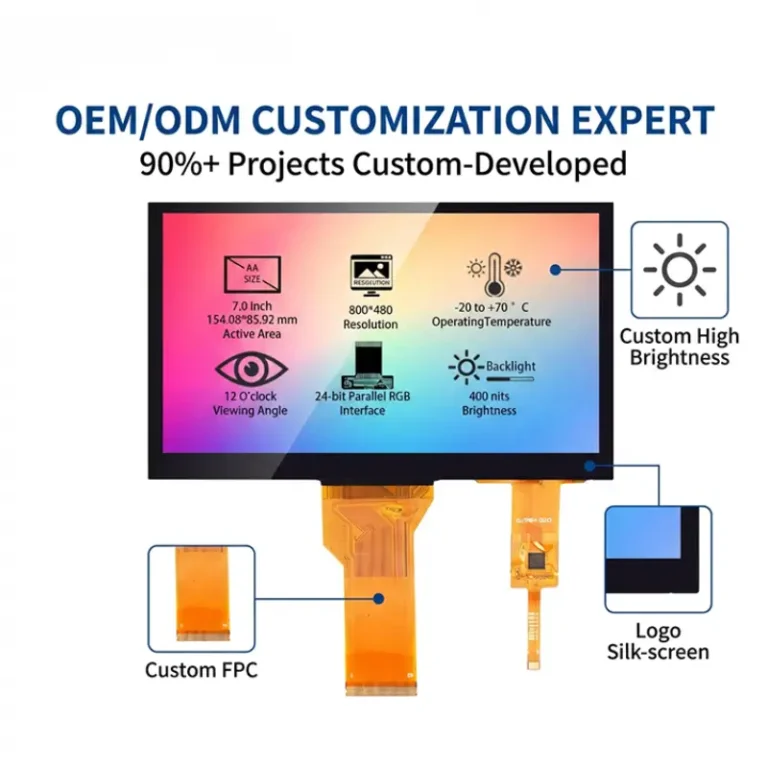
We provide complete OEM & ODM display customization solutions for industrial, medical, automotive, smart home, and IoT applications.
QIHAN Customization Capabilities
QIHAN supports:
- Reflective, transmissive, and transflective LCD design
- Positive & negative LCD modes
- VA / STN / FSTN / TN LCD customization
- Optical bonding
- Anti-glare / anti-reflective coatings
- High brightness displays
- Wide temperature solutions
- Touch integration
- Custom interfaces: SPI, I2C, RGB, LVDS, MIPI
- Cover glass and backlight customization
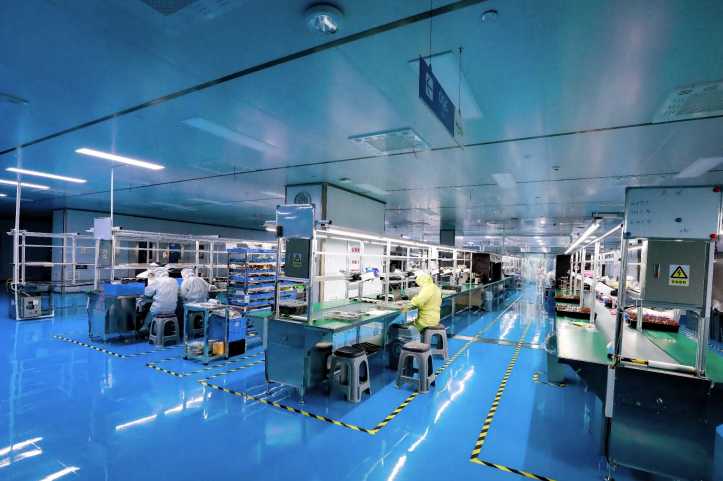
With a 37,000㎡ manufacturing facility, automatic production lines, TFT cutting capability, capacitive touch assembly lines, and optical bonding production capability, QIHAN provides stable support for global custom display projects.
Contact QIHAN Today
Looking for a reliable custom LCD display manufacturer?
QIHAN provides engineering support, stable production capacity, and professional OEM/ODM display solutions for industrial, medical, automotive, HMI, and smart device applications.
Contact QIHAN today to discuss your next LCD display project.